
Integrations
From Fathom Recording to Reviewed Follow-up Tasks
Use meeting capture as the start of an execution routine.

Taskwise Team
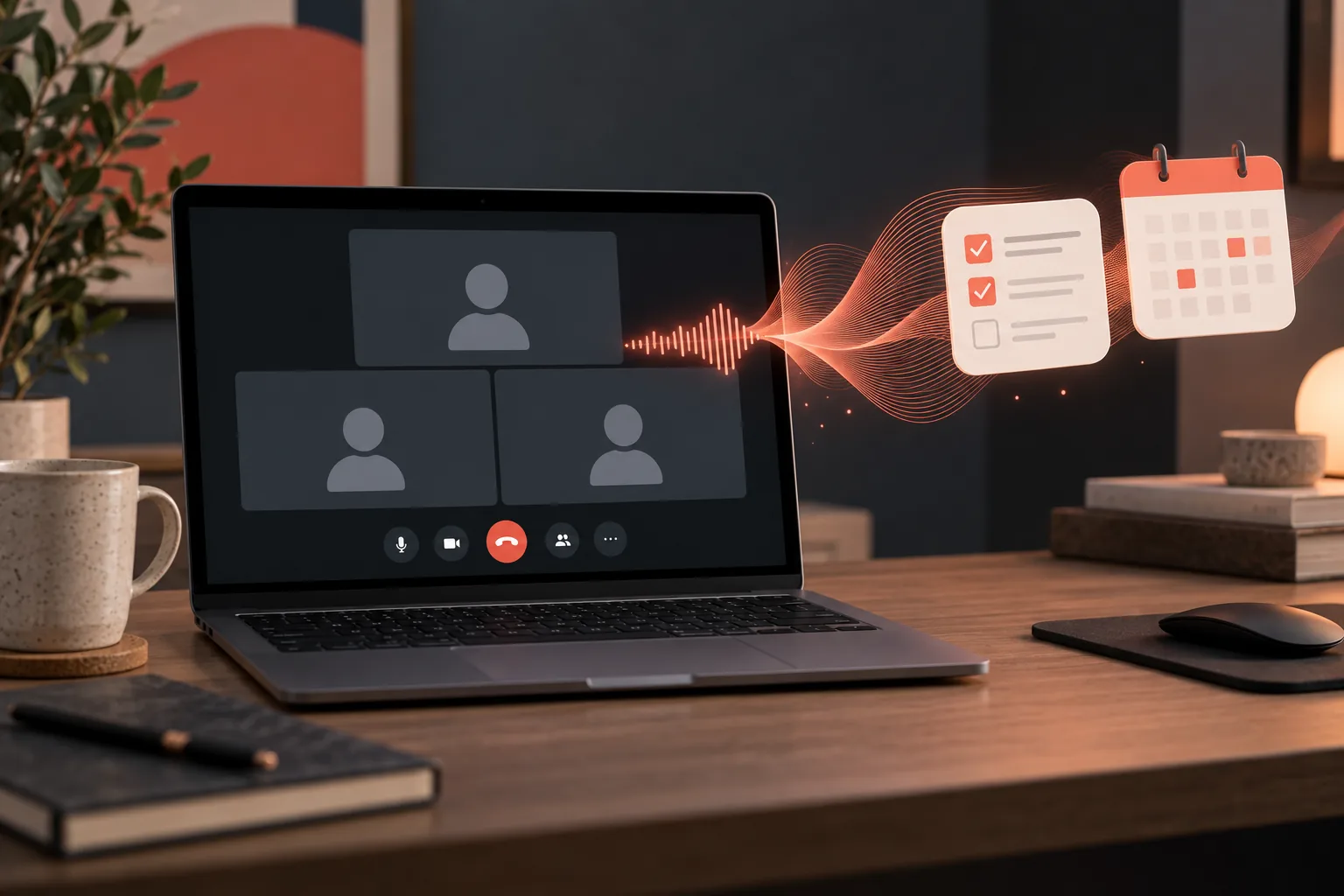
Capturing meetings without establishing a clear path to execution is a common operational challenge. Organizations often invest heavily in recording software, and Fathom does an exceptional job of joining your calls, capturing the audio, and generating an accurate transcript. However, a transcript alone is merely a historical record. If the text simply sits in a repository, the actionable items and critical decisions discussed during the call quickly fade from memory. The transition from a recorded conversation to active, tracked execution is where many teams stumble, making Fathom meeting follow-up tasks a critical operational priority.
TaskwiseAI bridges this gap by acting as a dedicated meeting-to-execution platform. Instead of merely storing the recording, TaskwiseAI takes your imported Fathom transcripts and transforms the unstructured conversational data into structured, manageable workflows. The platform analyzes the text to produce suggested task drafts based on the meeting's contents. Crucially, these drafts are then reviewed by your team, ensuring that human oversight, operational context, and clear accountability remain at the forefront of your project management strategy.
Prerequisites for Meeting Execution
Before turning your recorded conversations into structured action items, ensure a few foundational elements are in place. First, you need an active Fathom account where your team's meetings are recorded and transcribed. TaskwiseAI relies on the output of these recordings, making clear, audible meeting captures essential for high-quality task generation. Second, you must have a TaskwiseAI workspace set up and accessible to the team members responsible for reviewing and assigning the resulting tasks.
It is also highly recommended to connect your team's Slack workspace to TaskwiseAI to utilize Slack reminders for ongoing follow-ups. Ensure you have the necessary user permissions within Fathom to export or share meeting links, and that your TaskwiseAI user role permits importing new meeting data. Finally, understanding the core objectives of the meeting beforehand will significantly streamline the human review process when TaskwiseAI generates its initial task drafts.
Step 1: Import Your Fathom Meeting Transcripts
The first operational step is to bring your valuable meeting data into the TaskwiseAI environment. TaskwiseAI supports importing notes, transcripts, and Fathom meetings directly into your workspace. To begin managing your follow-up tasks effectively, manually initiate the import process for your specific Fathom recording.
Rather than relying on unpredictable real-time triggers or complex third-party webhooks, TaskwiseAI focuses on deliberate, user-initiated imports. This ensures that only relevant, actionable meetings enter your planning workspace, keeping your execution environment uncluttered. Navigate to the import section of your TaskwiseAI dashboard, select the option to import a Fathom meeting, and provide the necessary reference link or file securely into the system.
This deliberate connection shifts the paradigm from passive recording to active planning. By purposefully importing the meeting, you signal to your team that the conversation contains actionable items requiring rigorous prioritization and execution.
Step 2: Inspect the Imported Transcript
Once the Fathom meeting is successfully imported, the next phase is to inspect the transcript. TaskwiseAI processes the raw conversational text to understand context, identify participants, and map the discussion flow. Before moving into task generation, take a moment to review the imported text within the platform.
Inspecting the transcript allows you to verify that key segments were captured accurately. Because spoken language is inherently unstructured—filled with tangents and incomplete thoughts—a brief manual review ensures the foundational data is sound. If the meeting was long or highly technical, this step validates the data before you generate follow-ups.
Having the entire transcript accessible within TaskwiseAI also allows you to leverage the platform's grounded AI chat later on. If an assigned team member lacks clarity on task details, they can use the AI chat to ask questions directly related to that specific transcript, gaining full context without needing to re-watch the original video.
Step 3: Separate Decisions from AI Suggestions
A powerful aspect of managing Fathom meeting follow-ups in TaskwiseAI is how the platform sifts through dialogue to identify actionable items and draft tasks. However, it is vital to distinguish between a finalized business decision and a passing conversational suggestion.
During brainstorming sessions, team members may propose hypothetical scenarios or casually discuss potential projects without committing to them. TaskwiseAI's text analysis captures these action-oriented phrases as draft tasks. It is the human reviewer's responsibility to separate actual, committed decisions from mere brainstorming artifacts.
This deliberate filtering ensures your execution pipeline remains highly focused. Not every phrase like "we should probably look into that next quarter" requires a tracked task. By filtering the AI's suggestions, you prevent your workspace from getting bogged down by conversational fluff.
Step 4: Review and Refine Task Drafts
Following the separation of concrete decisions from passing suggestions, formally review the task drafts. TaskwiseAI produces these drafts to save you the manual effort of typing out every action item, but it explicitly relies on human-in-the-loop validation to finalize them. The platform does not bypass the user to auto-assign tasks blindly.
When reviewing a draft, look critically at the proposed title, descriptive context, and implied urgency. You will often need to refine wording to align with your team's naming conventions. For example, an AI might draft a task as "Follow up with marketing," but a human reviewer should refine this to "Draft the Q3 marketing budget proposal and send to Sarah for approval."
This hands-on process forges raw transcript material into a concrete execution plan. It requires a dedicated person who understands the project's strategic goals to add operational constraints and ensure the task accurately reflects the consensus reached during the meeting.
Step 5: Assign and Prioritize in the Planning Workspace
With tasks reviewed and refined, transition them into active workflows. TaskwiseAI provides a dedicated prioritization and planning workspace to organize these tasks. Assigning clear ownership is the most critical component of successfully managing meeting follow-ups—without an assignee, a task is merely a documented wish.
Within the planning workspace, allocate the reviewed tasks to specific team members. Prioritize them based on overarching project deadlines, organizational goals, or the urgency expressed during the Fathom call. This centralized location helps balance workloads and set realistic delivery expectations across all incoming meetings.
Here, you also establish execution timeframes. By setting clear due dates and priority levels, you transform post-meeting momentum into a structured schedule, creating a single source of truth long after the Fathom recording tab is closed.
Step 6: Monitor Execution and Manage Slack Reminders
Execution is a dynamic process. After assigning and prioritizing tasks, rigorously track their progress. TaskwiseAI supports ongoing execution through intentional integrations, such as setting up Slack reminders for critical generated tasks.
By utilizing Slack reminders, team members receive timely, contextual nudges about their Fathom meeting follow-up tasks in their primary communication tool, preventing crucial action items from slipping through the cracks. As you monitor progress, keep a vigilant eye out for duplicate tasks, especially if recurring status meetings generate overlapping action items.
If operational questions arise, team members can utilize TaskwiseAI's grounded AI chat. A user can ask, "What were the budget constraints mentioned in the kickoff meeting?" and receive an accurate answer based directly on the securely imported Fathom transcript. For advanced technical teams, TaskwiseAI optionally offers workspace-scoped MCP (Model Context Protocol) access, allowing developers to securely build custom contextual integrations within their authorized workspace.
Tradeoffs and Best Practices
When implementing a system for Fathom meeting follow-ups, acknowledge the inherent tradeoffs. The primary tradeoff in TaskwiseAI is the strict requirement for human review. While some platforms claim zero-touch automation, TaskwiseAI deliberately mandates human validation. This requires a minor time investment from a project manager or meeting owner after every import.
The benefit of this tradeoff is unparalleled accuracy. Fully automated task creation often leads to bloated boards filled with misinterpretations and out-of-context quotes. By mandating a human review, TaskwiseAI ensures the planning workspace remains actionable and trusted. A trusted task board is the only kind that drives real-world execution.
A best practice is to explicitly designate a "meeting owner" for every imported Fathom recording. This individual manually imports the transcript, reviews suggested drafts, and assigns follow-ups. Distributing this responsibility prevents bottlenecks and ensures the person closest to the meeting's context shapes the execution plan.
Test and Verification Checklist
To ensure your Fathom to TaskwiseAI workflow functions reliably, use the following checklist after your initial manual imports:
- Verify the specific Fathom transcript successfully imported into the correct TaskwiseAI workspace.
- Read a transcript segment to confirm critical context and text formatting are preserved.
- Check that TaskwiseAI generated a list of suggested task drafts based on the conversation.
- Manually refine at least one task draft, altering its title and description for enhanced clarity.
- Assign the refined task to a team member within the planning workspace.
- Ensure a Slack reminder triggers correctly for the assigned user based on the established due date.
- Test the grounded AI chat by asking a specific question about a detail mentioned in the Fathom recording.
Handling Edge Cases and Troubleshooting
Unexpected edge cases will inevitably arise. One common scenario involves unstructured meetings, such as casual brainstorming sessions. The imported transcript may yield few actionable decisions, but the AI might generate loose suggestions. The human reviewer must diligently archive or delete these irrelevant drafts to prevent workspace clutter.
Recurring meetings, like weekly standups, can also lead to duplicate tasks if ongoing items are discussed purely as status updates. Reviewers should consistently monitor for duplicates during the draft stage and consolidate new contextual information into existing tasks rather than creating identical new ones.
If the grounded AI chat provides inaccurate answers, verify the correct Fathom transcript was imported and the chat is properly scoped to the relevant workspace context. The AI relies exclusively on the imported data; if a critical decision was made off-camera or via email after the recording ended, the AI will not have visibility into that external change.
Frequently Asked Questions
Does TaskwiseAI automatically import every Fathom meeting as soon as it ends?
No. TaskwiseAI emphasizes deliberate execution. You must manually initiate the import of your notes, transcripts, or Fathom meetings. This prevents your workspace from being overwhelmed by tasks generated from confidential or purely informational meetings that do not require structured follow-up.
Can the AI assign tasks directly to my team without manual intervention?
TaskwiseAI produces suggested task drafts, but these drafts must be reviewed by people. Human oversight is strictly required to cleanly separate actual business decisions from passing suggestions, ensuring high-quality execution and preventing messy task boards.
How do team members know they have been assigned a follow-up task?
Once tasks are diligently reviewed and assigned in the prioritization and planning workspace, team members are notified via the platform. TaskwiseAI also supports Slack reminders, securely sending direct notifications regarding pending responsibilities.
If I forget what a task is about, do I have to re-read the whole Fathom transcript?
No. You can use TaskwiseAI's grounded AI chat to ask questions directly over the meeting and workspace context. The AI parses the imported transcript and provides specific answers based solely on the actual conversation.
What is workspace-scoped MCP access?
For technical teams requiring advanced integrations, TaskwiseAI provides workspace-scoped MCP (Model Context Protocol) access. This specialized feature allows internal developers to securely connect custom tools directly to the TaskwiseAI context, strictly limited to the data within their authorized workspace.
Start Your Execution Routine
Transforming a recorded conversation into a successfully completed project is a deliberate process. Capturing the audio and generating a basic transcript is only the first step. The real organizational value lies in careful review, strict prioritization, and disciplined follow-up. Stop letting critical decisions disappear into your video archives. Take full control of your Fathom meeting follow-up tasks today by establishing a structured meeting-to-execution workflow. Import your most recent actionable Fathom transcript into TaskwiseAI, review the suggested drafts, and assign your prioritized tasks to your execution team.

About Taskwise Team
The team building TaskwiseAI: meeting memory, reviewed tasks and clearer follow-through.